Rose Sinister: Vampires is an ongoing exploration of vampire stories, from folklore through pop culture. Vampires may or may not have reflections - but their stories do. Join me as I unravel what these enduring tales communicate about our cultural fears, values, taboos, and expectations. I’m a professional vampire tour guide in New Orleans’ French Quarter, and a lifelong fan of vampire stories. These are some of my favorites.
It's the second week of January 2020, so here's the first episode of season 3 of Rose Sinister: Vampires, all about Elizabeth Kostova's 2005 novel "The Historian," which ruminates on history, evil, and Dracula.
Polyamorous vampire communes from space. What makes a vampire a vampire? When vampires and their prey have a symbiotic relationship, who is addicted to who? Also, melanin is a vampire superpower in the 4th episode of season 2 of Rose Sinister: Vampires.
This episode, lucky number 13 (!!!) is a bit on the long side, but it covers some important historical ground that I felt was really helpful in understanding this 2010 German film with the contextual nuance that I, a sometimes embarrassingly ignorant American, didn't grasp the first time, or even the first three times I watched this film.
1998's vampire hunting summer blockbuster, "Blade," actually has quite a bit more to say that simply, "vampires bad. Blade kill."
What role does religion play in understanding the life and legacy of Dracula, both historic and fictional? And what does the ebb and flow of religiosity in cinematic Dracula entries communicate about larger cultural patterns across that period of time?
This episode takes some time to point out things you may have missed about Bram Stoker's famous novel, by framing both the creator and his creation in the context of some of the political, artistic, and moral attitudes and aspirations of the late 19th century.
Nearing the end of the first season of Rose Sinister: Vampires, episode 8 examines the impact of faith and culture on the creative process, representation versus appropriation, and the overall impact Stephenie Meyer's Twilight Saga has had on vampire stories.
The latest installment of Rose Sinister: Vampires is a deeply personal reflection on a vampire story that had a huge impact on my life- and why sometimes, revisiting the magic of our youth can challenge us to re-examine the stories that shape us.
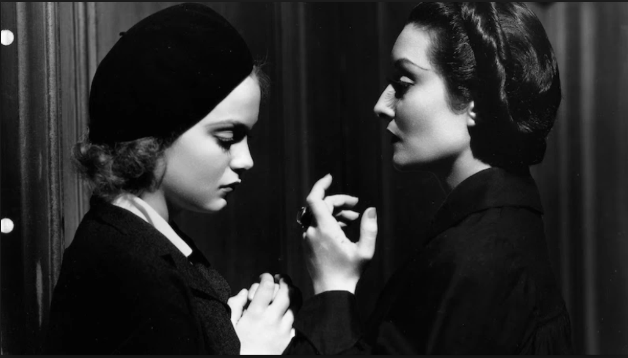
The themes of Dracula's Daughter would do more to establish the tropes of the modern sympathetic vampire narrative than dear old dad ever did.
Rose Sinister ponders the frightening interplay of innocence and monstrosity at work in the Swedish vampire film, Let The Right One In.
What do these movies say about the decade that produced them, and more specifically, how do the central narratives shift when we examine the perspectives of the female characters throughout each story?
What sort of radical lessons can we take away from its message? And can science actually support the existence of vampires?
A look at the making, and legacy, and socio-cultural relevance of 1922's Nosferatu.
Anne Rice's 1976 novel, told from the perspective of the monster, changed vampire storytelling- and lives forever.
Is it a vampire movie, or a movie about an unkillable ancient cannibal who consumes blood to take the edge off of his hunger for human flesh?