Morbid Curiosity
/
In this episode, we discuss the Shuar, how tsantsas were made, and how trade in tsantsas impacted the Western perception of the Shuar.
Read MoreIn this episode, we discuss the Shuar, how tsantsas were made, and how trade in tsantsas impacted the Western perception of the Shuar.
Read MoreAfter travelling west by covered wagon in 1846, the Donner Party became marooned in the snows of the Sierra Mountains. Even though a small group had made it out to find help, they were running out of food and strength. In this third part of this episode, we discuss the relief efforts as well as the aftermath of their ordeal.
Read MoreThe Donner Party travelled by covered wagon in 1846 toward California, but became marooned in the snows of Sierra Mountains. In the second part of this episode, we discuss the first half of their winter ordeal, including the struggle to survive and a desperate attempt to strike out in search of help.
Read MoreSouth of Egypt lies Nubia, the ancient home of of the Kushite Kingdom. The Kushites built their own pyramids and even rose to rule Egypt at one point. In this episode we discuss the history of Kush and the many pyramid tombs they built in the red sands of Sudan.
Read MoreThe practice of footbinding - binding the feet tightly in order to change their shape - appeared sometime before the 10th century in Imperial China among noble women. As time passed, it became popular among women of all classes, despite the pain and debility it caused. In this episode, we discuss the process and the reasons why women continued this practice into the 20th century.
Read MoreWhile The MCP is on summer break, we like to present short horror stories in place of our usual episodes. Without Further ado, please enjoy The Ebony Frame, a tale of supernatural obsession, by Edith Nesbit.
Read MoreNine women and two men were tried and executed for witchcraft in 1612 near Pendle in Lancashire. This was an unprecedented death toll for a single witch trial at the time. In this episode, we discuss witchcraft in England, and why these trials may have resulted in so many executions.
Read MoreWhile hundreds of urban legends surround Waverly Hills Sanatorium in Kentucky, there is also plenty of documented history. Some of the rumours may hold a grain of truth to them. In this episode, we shine a light on the history of Waverly Hills, a grim history tied to the disease tuberculosis.
Read MoreBack by popular request, Hallie discusses more toxic plants! Poisonous plants have been used throughout history for many purposes, including hunting, medicine, cosmetics, and of course, murder. In this episode we discuss several of the most poisonous plants with emphasis on those associated with murder and medicine.
Read MoreThe Doppelgänger, or supernatural double, has been featured in almost every modern media genre, from romance to science fiction. However, the roots of this folkloric creature are ancient, and the concept of the double and what it represents has been the subject of deep professional curiosity since the 19th century.
Read More1918 saw the end of World War One but also a pandemic that killed more soldiers than the fighting. It wasn't until 1997 that the lethal disease, sometimes called the Spanish Flu, was identified as Influenza. In this episode, we discuss the spread of the pandemic, the effects it caused and the virus itself.
Read MoreDuring the night on June 20th, 1756, a large number of prisoners were crowded into a single cell at Fort William, Calcutta, and died due to suffocation. This incident was later used to legitimize British rule in India, as well as fight against it. In this episode, we discuss the validity of this story and the context in which it occurred.
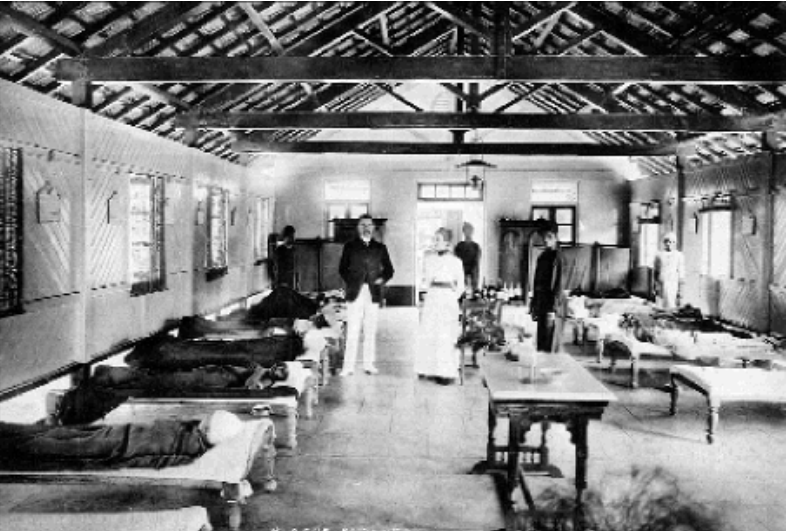
Read MoreIn the finale of this three part episode, we discuss the last of the three Great Plague Pandemics, known as the Plague of Bombay and the Third Pandemic, which began in 1855.
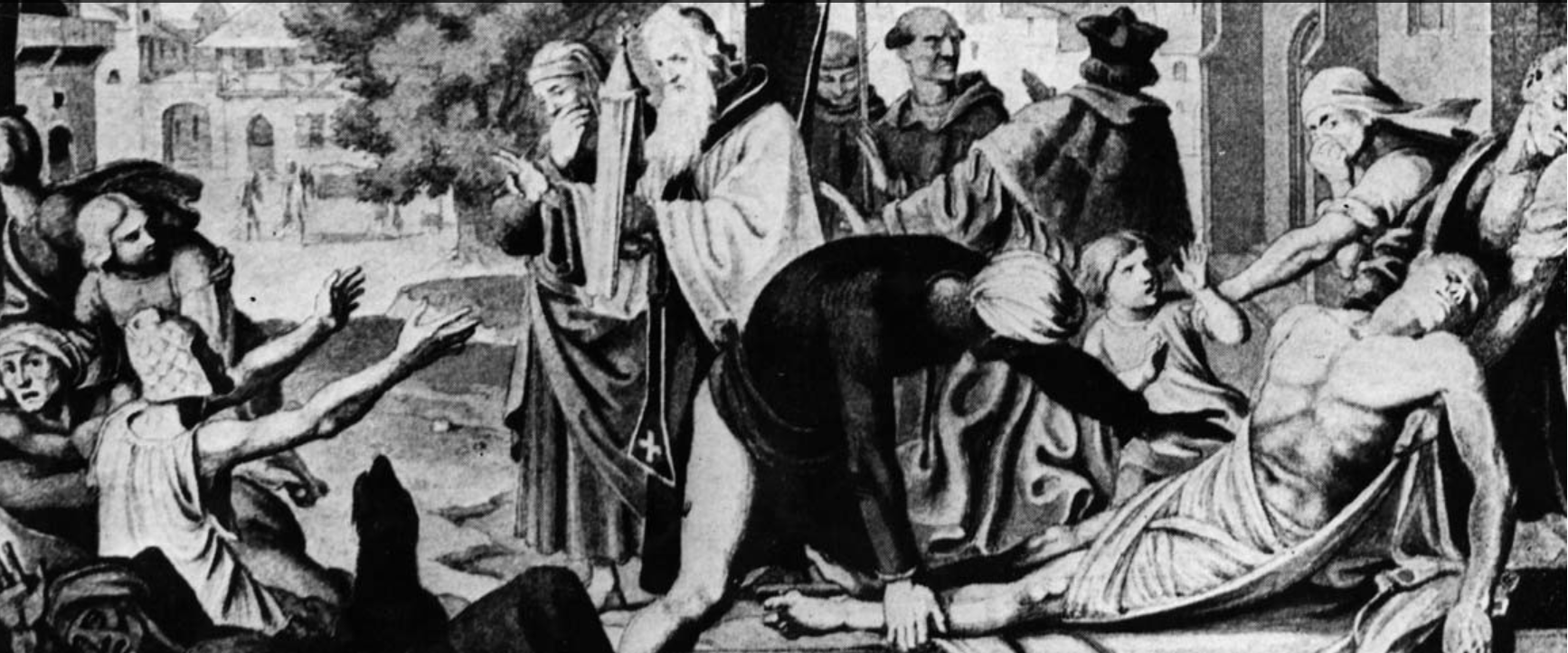
Read MoreIn this now three part episode, we discuss the three Great Plague Pandemics. In Part Two, we discuss the Black Death, Plague Doctors, and the Great Plague of London.
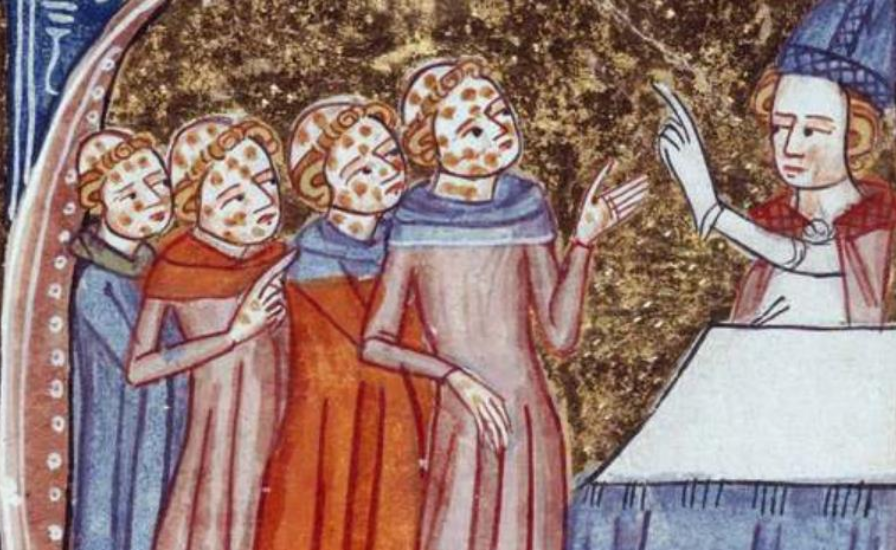
Read MoreIn this two part episode, we discuss the three Great Plague Pandemics. In part one, we discuss the bacterium behind the plague, Yersinia pestis, and the Plague of Justinian, which occurred in the 6th century CE. In part two, we will discuss the Black Death and the Third Pandemic.
Read MoreIn this episode we discuss Earhart's rise to fame, her world flight, her mysterious disappearance, and the theories about what might have happened to her.
Read MoreDuring the Victorian era, the practice of capturing photographs of the dead was part of a complicated etiquette surrounding death and mourning. In this episode, we examine that etiquette and how post-mortem photography developed, its processes and how it aided in the mourning process.
Read MoreIn 1845, Sir John Franklin and 129 men sailed into the Canadian Arctic Archipelago in search of the Northwest Passage. They were never seen again, and what happened on that expedition has remained a mystery. In this episode, we explore the 19th century attempts to find them, and the more recent information gleaned from what's been found, including artifacts and human remains.
Read MoreIn 1845, Sir John Franklin and 129 men sailed into the Canadian Arctic Archipelago in search of the Northwest Passage. They were never seen again, and what happened on that expedition has remained a mystery. In this episode, we explore the man, the mission, and one of the early attempts at rescue.
Read MoreIn the year 79 CE, Mt. Vesuvius erupted, burying the Roman city of Pompeii. The ruins were only rediscovered in the the late 1700s, and have been under excavation ever since. In this episode we discuss written references and the archaeology of Pompeii, Vesuvius and the day the volcano destroyed the city.
Read MoreThe Belfry is a gathering place for dark culture and those who find a home within. Here you will discover audio shows, blogs, and videos catering to the darker side of life.
This website is powered by Dani Ashes.